







Newsletter
Increased Awareness and Empathy Can Safeguard Brain Health in Elderly and Frail Surgical Patients
Anaesthesiologists are the guardians of brain health during surgical procedures, which trigger complex physiological and neurobiological changes that can lead to neurocognitive complications. When older adults enter the perioperative space, their care is further complicated by comorbidities, cognitive decline, and age-related physiological changes. “Caring for elderly and frail patients is not just a clinical task,” according to Alex Barroso, MD, PhD, associate professor of anaesthesiology at the University of Málaga and senior clinical fellow in anaesthesia at Hospital Universitario de Málaga in Spain. “It is a profound human responsibility. [Aging individuals] bring with them a lifetime of stories and often a delicate balance of health that surgery can easily disrupt.” At this year’s Euroanaesthesia congress, Barroso will join a panel of experts in discussing strategies for reducing the impact of anaesthesia on postoperative brain function and preventing postoperative neurocognitive disorders in older patients.
When caring for older adults, anaesthesiologists and intensive care clinicians must take a close look at the complex picture that is the health profile associated with advanced age. “These patients are at a significantly higher risk of postoperative neurocognitive complications, [including postoperative] delirium and the lingering shadow of postoperative cognitive dysfunction,” Barroso explained. “Imagine waking up from surgery not just sore, but lost, confused, perhaps seeing things that are not there. This is not just a temporary inconvenience; it can profoundly impact their recovery, functional independence, and, sadly, is associated with a higher risk of long-term cognitive decline, and even mortality. This vulnerability is magnified by existing factors like advanced age, preexisting memory issues, and that state of accumulated weakness we call frailty. They simply have less physiological reserve to weather the storm of surgery.”
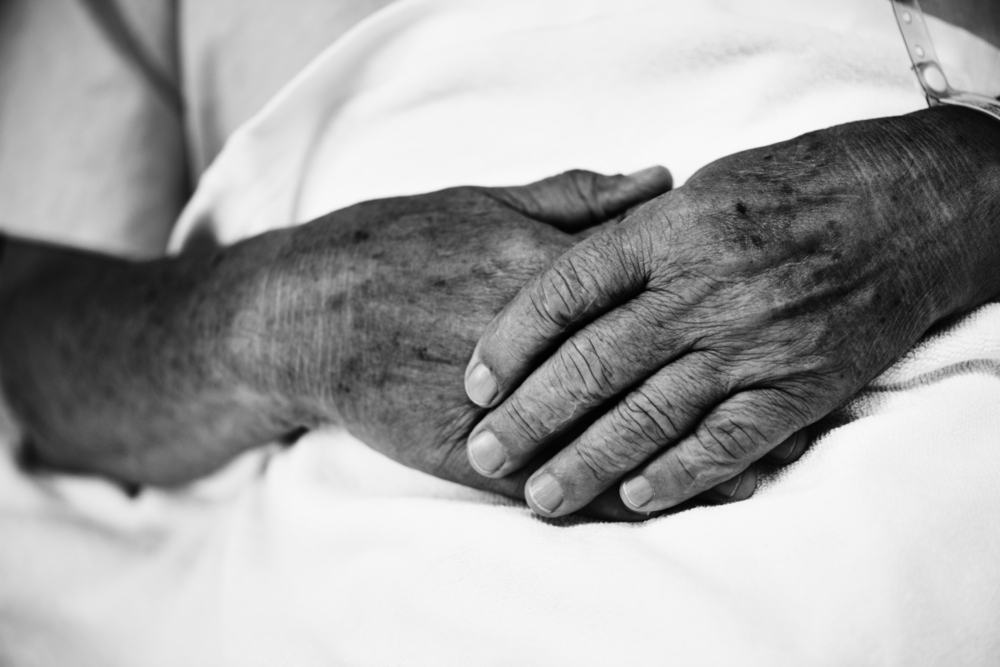
The journey of older surgical patients does not begin or end with the surgical procedure. Postsurgical outcomes depend on preoperative risk assessment, strategies for preventing complications, and postoperative care, which should ideally be tailored to meet aging patients’ needs. Susan Moug, MD, a colorectal and general surgeon and professor at the University of Glasgow, in Scotland will join the panel with a review of frailty prognostic scores, which can inform surgical decision-making and risk stratification. Frailty assessments may facilitate earlier interventions that can improve postoperative outcomes. However, reducing the risk of postoperative neurocognitive dysfunction in older patients requires increased awareness in the perioperative setting, particularly in the care of individuals with preexisting cognitive impairment or sensory deficits, who may not be able to fully articulate their distress. “Our perioperative management becomes a tightrope walk [in these cases],” Barroso said. “Every medication, every change in blood pressure, every moment of deep sleep under anaesthesia could potentially tip the scales towards confusion. Avoiding over-sedation and ensuring adequate, but not excessive, pain control often requires careful titration and choosing [lighter] sedation where possible. We must minimise physiological insults by keeping [patients] warm, well-oxygenated, and hemodynamically stable.”
Monday’s symposium will highlight nonpharmacologic approaches for preventing postoperative delirium and other perioperative neurocognitive disorders in elderly patients, which are designed to complement optimised anaesthetic management. Recommended nonpharmacologic interventions include frequent orientation, early mobilisation, adequate sleep and nutrition, optimal pain management, and cognitive stimulation. Moreover, because many older adults take multiple medications, some of which have a significant impact on cognitive function, a careful review of polypharmacy is a crucial part of the perioperative assessment and management. “These evidence-based approaches align well with key initiatives in the field, such as the Safe Brain Initiative, which advocates for optimising perioperative brain health through systematic, evidence-guided care for all surgical patients,” Barroso noted. “The success of these strategies relies heavily on a multidisciplinary approach, involving nurses, physicians across specialties, therapists, and potentially family members or volunteers.”
In designing preventive strategies, clinicians should not overlook the impact of surgery-induced inflammation, which contributes to the development of postoperative delirium. Decreasing the surgical stress response is key to preventing postoperative neurocognitive disorders in elderly patients. “While surgery inherently causes stress and inflammation, the anaesthesiologist and perioperative team play a critical role in modulating this response through careful pain management, maintaining physiological stability, titrating anaesthesia, and optimising patients preoperatively,” Barroso concluded. “These strategies aim to improve overall recovery and protect the vulnerable brain function in older patients.