





ESAIC News
ESAIC joins DITRAP consortium to advance new strategies against ICU-acquired infections
Representatives from ESAIC’s Research and Communication teams joined the DITRAP consortium in Barcelona to launch a four-year Horizon Europe project exploring a novel preventive treatment and an artificial intelligence-based risk prediction tool for critically ill patients.

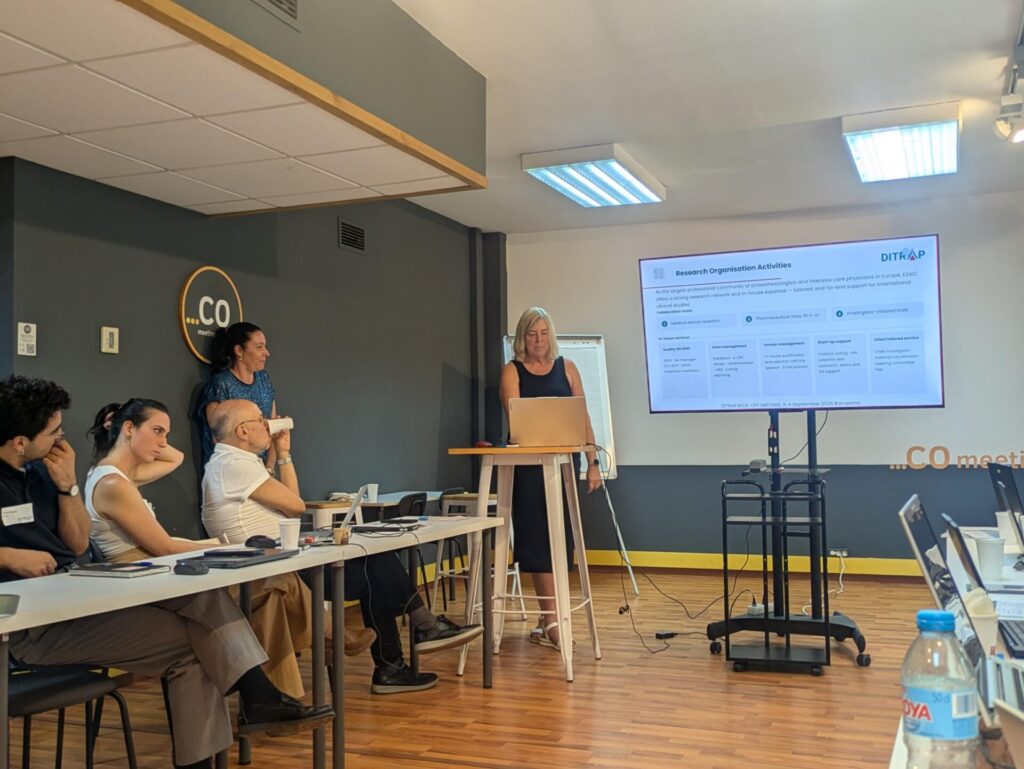
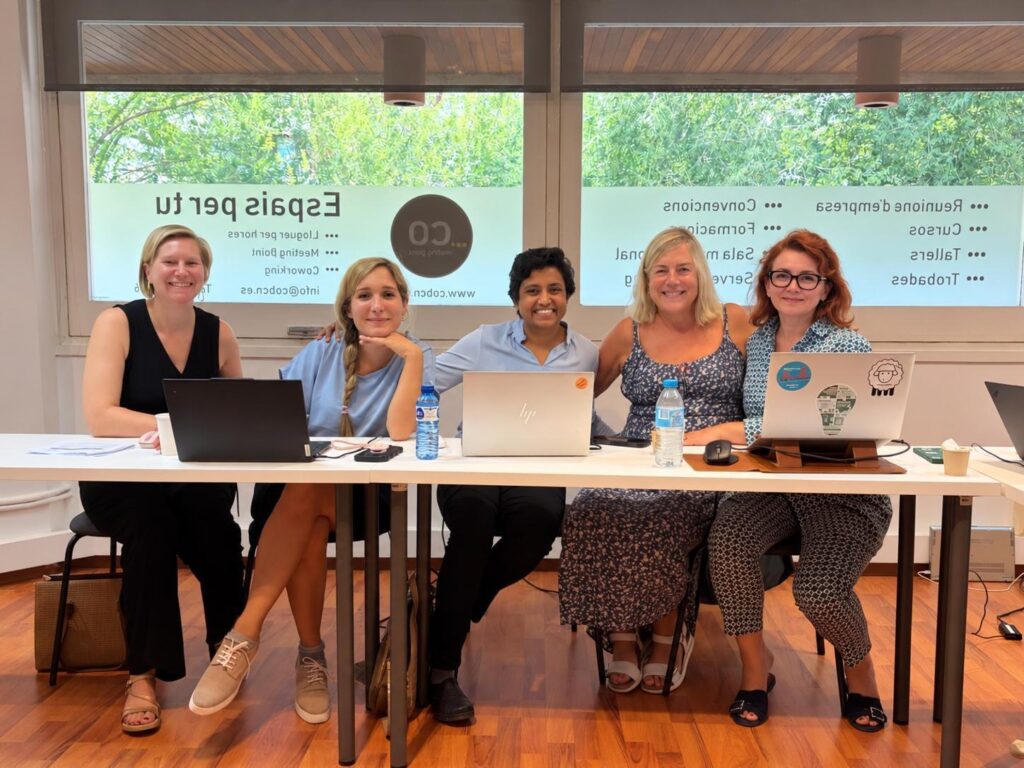
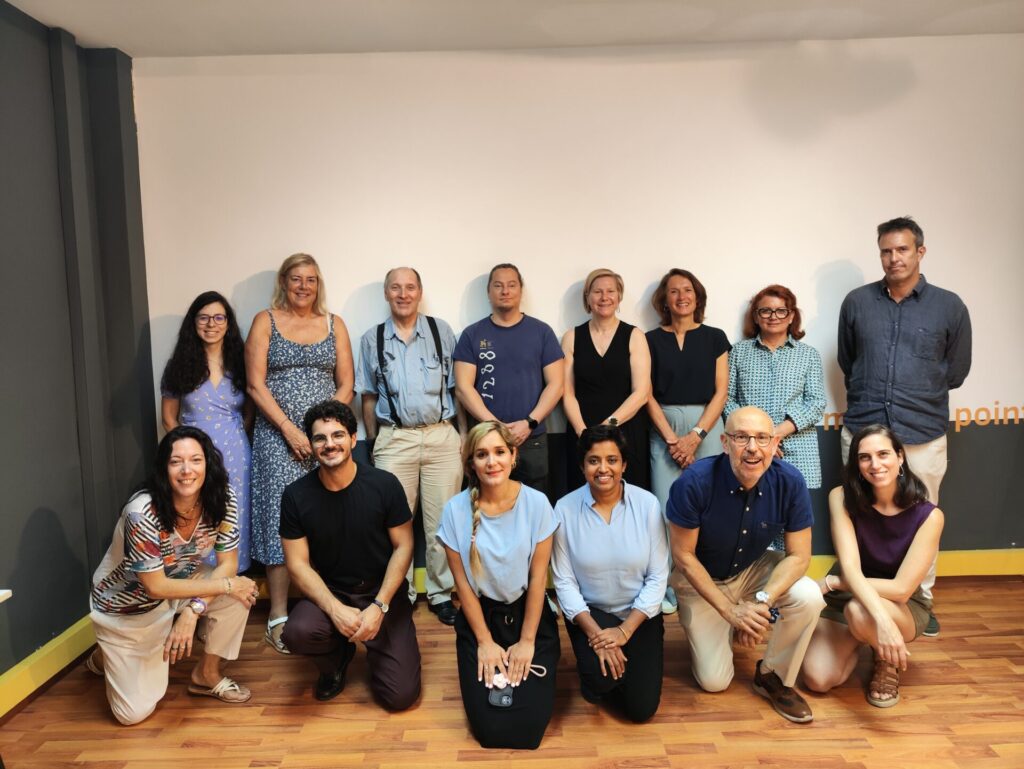
Representatives from the European Society of Anaesthesiology and Intensive Care (ESAIC) attended the DITRAP project kick-off meeting in Barcelona on 3 and 4 September 2026.
Hosted by project coordinator RemAb Therapeutics, the two-day meeting brought together the five consortium partners: RemAb Therapeutics, Tampere University, University Medical Center Groningen, ADKNOMA Health Research and ESAIC.
The meeting marked the official start of DITRAP, which stands for Disarming the Immune TRAP through a Targeted Antibody Removal Therapy to Prevent ICU-Acquired Infections and Reduce Antimicrobial Resistance. The project has received €8.9 million in European Union funding and will run for four years.
Establishing a shared direction
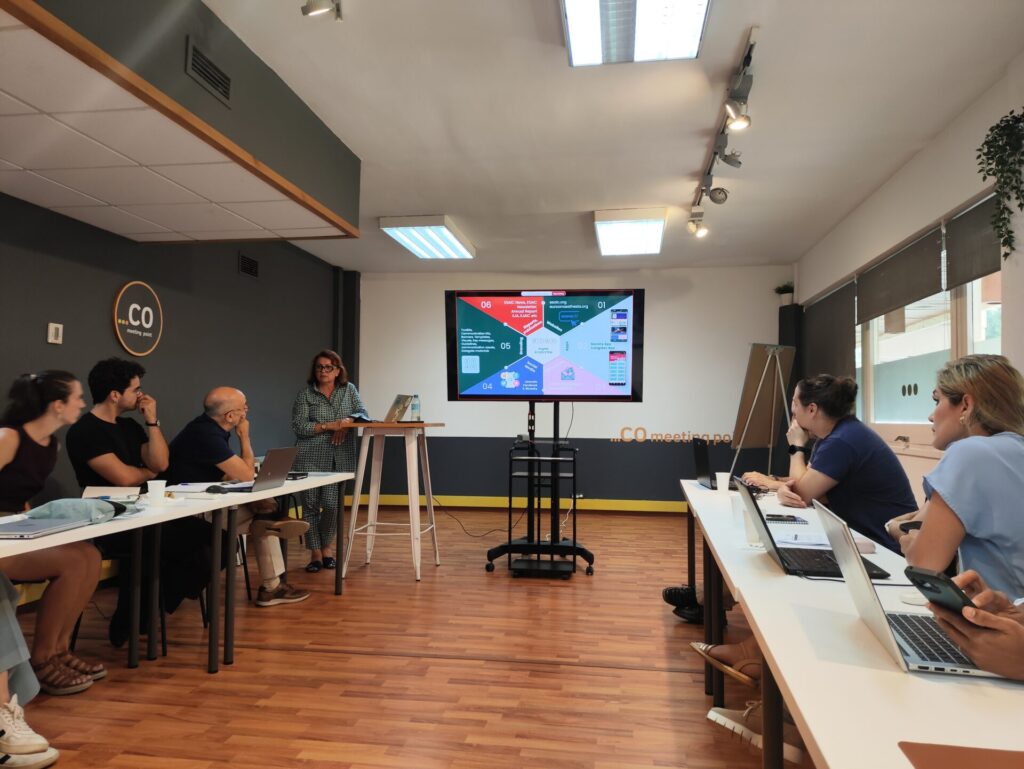
During the meeting, partners aligned on the project’s scientific vision, governance, responsibilities and immediate priorities.
Work package leaders presented their objectives and planned activities. Discussions covered manufacturing and regulatory preparation, artificial intelligence-based patient stratification, clinical trial implementation, immunological and clinical data analysis, health technology assessment, communication and exploitation, and ethics.
Dedicated discussion and networking sessions also allowed partners to identify connections between the different areas of work and establish a common approach for the years ahead.
A new approach to infection prevention
Healthcare-associated infections remain a serious concern in intensive care. Critically ill patients are particularly vulnerable to bacterial infections, while antimicrobial resistance is making some infections increasingly difficult to treat.
DITRAP will advance RA0127, a first-in-class soluble glycopolymer designed to remove naturally occurring anti-αGal antibodies that may interfere with the body’s ability to clear Gram-negative bacteria.
Rather than targeting bacteria directly, the treatment aims to strengthen the body’s natural immune response and help patients defend themselves against infection before it takes hold.
Following encouraging Phase 1 results, DITRAP will evaluate RA0127 in a Phase 2 clinical trial involving 296 adult patients across more than 15 intensive care units in France, Italy, Portugal and Spain.
Alongside the clinical trial, the consortium will develop an AI-based tool to identify, within 48 hours of admission, patients who are more likely to require a prolonged stay in intensive care and face a higher risk of infection. The project will also assess the potential clinical and economic value of the approach.
By combining early risk prediction with targeted preventive treatment, DITRAP aims to reduce infections, antibiotic use, complications, mortality and the length of hospital stays.
ESAIC’s expertise and European reach
ESAIC brings extensive clinical, educational and communication expertise to the consortium, together with an established network of nearly 50,000 professionals working in anaesthesiology, intensive care and perioperative medicine.
The Society has participated in EU-funded projects since 2018. Its experience includes clinical research activities, communication and dissemination, survey development, engagement with healthcare professionals, educational activities, event coordination, and project and data management.
Within DITRAP, ESAIC will lead training activities, contribute to the development of educational resources and support engagement with the European clinical community.
The participation of ESAIC’s Research and Marketing & Communication teams in the Barcelona meeting reflected this combined contribution. The teams will help connect the project with the needs and experience of intensive care professionals, translate complex scientific developments into clear and accessible information, and share the project’s progress through ESAIC’s European network and communication channels.
This link between research, education and clinical practice will be important in ensuring that the knowledge generated by DITRAP reaches the professionals who may ultimately apply it in patient care.
The Barcelona kick-off meeting established the foundations for close collaboration across the consortium. Over the next four years, ESAIC will work with its partners to support the responsible development, evaluation and communication of this innovative approach to preventing infections in intensive care.
Learn more and follow the project’s progress on the DITRAP website.
DITRAP is funded by the European Union under Grant Agreement No. 101277257. The views expressed are those of the authors and do not necessarily reflect those of the European Union or the European Health and Digital Executive Agency.