






ESAIC News
ESAIC Mentorship Programme: a mentee’s experience
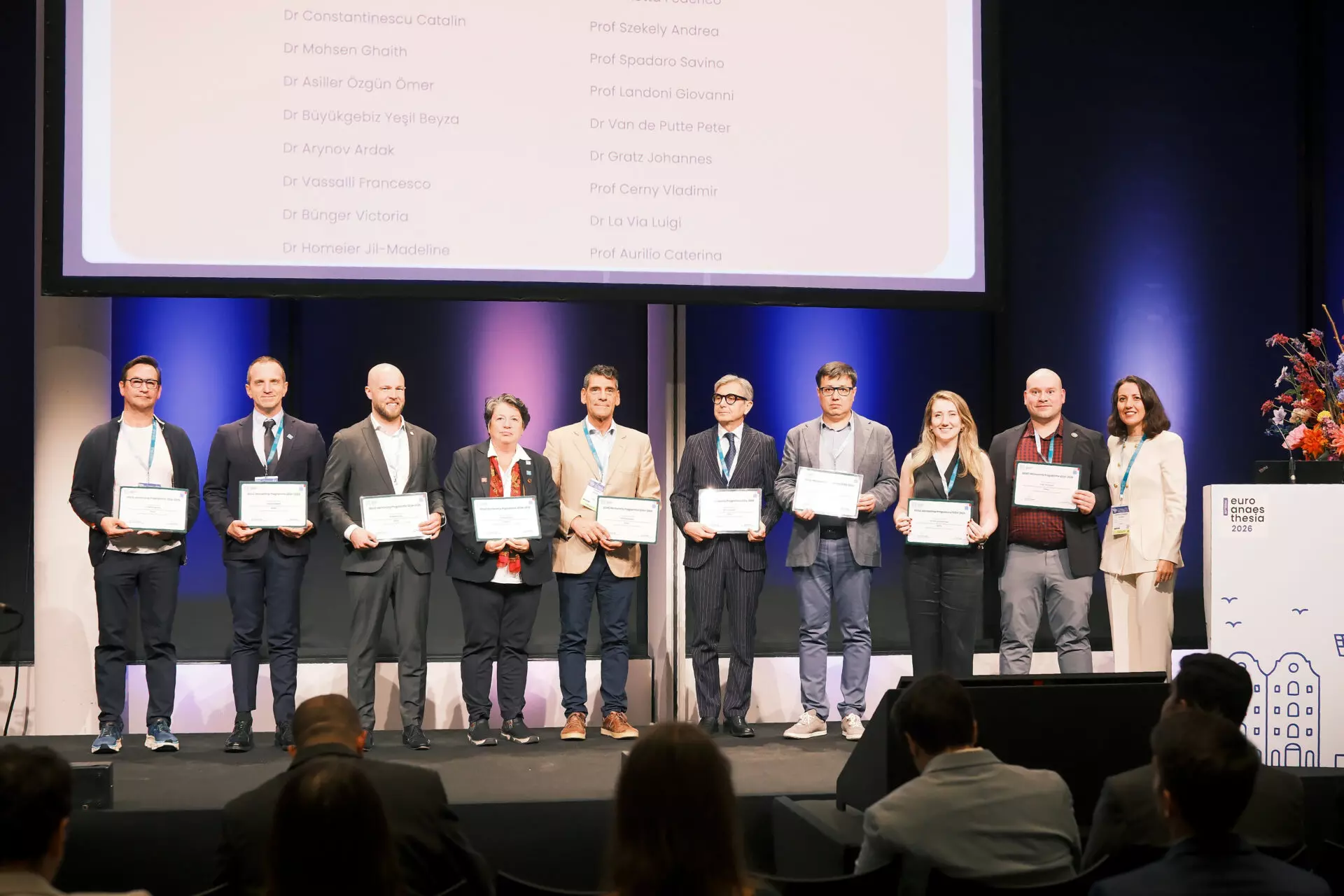
Beyza Büyükgebiz Yeşil was a mentee in the Mentorship Programme of the European Society of Anaesthesiology and Intensive Care (ESAIC) from 2024 to 2026. In this interview, she talks about growth, collaboration and lasting mentorship: what she hoped to gain from the ESAIC Mentorship Programme, what she achieved and her advice for those who follow.
Communication varied throughout the programme, and overall the experience was excellent and mostly met my expectations. Thank you, ESAIC Mentorship Programme, for introducing me to the most qualified friend I have ever had!
Beyza Büyükgebiz Yeşil, mentee 2024–2026
Goals and expectations
ESAIC: What were your main expectations or objectives when you joined the programme?
Beyza: When I joined the programme, my main objectives were to receive academic guidance, improve my research skills, become involved in developing and publishing scientific projects, and build an international academic network. I also hoped to learn from the experience of a senior colleague and gain a broader perspective on research.
ESAIC: Did your objectives change during the programme?
Beyza: Yes. I improved my research skills, became involved in important papers and started new studies. Peter has also continued to open new doors for me, which have gone beyond my initial expectations.
What the ESAIC Mentorship Programme gave her
ESAIC: What was the most valuable aspect of your mentorship experience?
Beyza: The most valuable aspect was the development of a genuine and lasting relationship with Peter. What we shared was not limited to general career advice; it resulted in research projects, publications and new study ideas.
Having an experienced and lovely mentor like Peter, with whom I could openly discuss and get feedback on research questions, methodology, manuscripts and future projects, was particularly valuable.
ESAIC: What skills, knowledge, confidence or opportunities did you gain through the programme?
Beyza: The most valuable skills I gained from the programme were definitely manuscript reviewing and developing research questions. In terms of knowledge, Peter’s expertise in point-of-care ultrasound (POCUS) made me dive into the topic, and I have since started applying routine POCUS screening in selected surgeries at my institution.
As for confidence, I now feel much more comfortable interacting with experts, as my research knowledge and experience have expanded. I also had the opportunity to meet other experts through Peter, collaborate with them and publish together. It was one of the best opportunities of my professional life.
Challenges and communication
ESAIC: What were the main challenges you experienced during the programme?
Beyza: The main challenge was scheduling time, but this was understandable, as Peter is a very busy academic and music patron, and I work around 60 hours a week.
ESAIC: How did you and your mentorship partner address these challenges?
Beyza: We used texting and kept our meetings flexible according to our schedules.
ESAIC: How would you describe the communication and collaboration within your mentorship pair?
Beyza: At first, it was formal, mainly focused on expectations and planning. But over time, we developed a true mentor–mentee bond. Peter is always open, collaborative and warm. We haven’t stopped communicating, and we will meet soon at a POCUS workshop to catch up.
Advice and final reflections
ESAIC: What advice would you give to future mentors and mentees?
Beyza: I would advise new mentees to be proactive and keen to learn. You may have specific goals related to your favourite topics, but the expert in front of you is highly qualified in their own field. This means you can learn so much if you do not become too fixated on your own area of expertise. Be open to the new opportunities they may offer you.
For mentors, I would advise breaking the ice early and trying to build a friendly relationship first. You may be mentoring someone who is still very new to academia, and one of the best things you can give them is the confidence to communicate more openly.
I would also encourage both mentors and mentees not to view the programme as a fixed number of scheduled meetings. A successful mentorship can develop into a long-term professional relationship and collaboration if both sides remain engaged.
ESAIC: Do you have any final comments?
Beyza: I would add that two years is not necessarily a long time when it comes to developing, conducting and writing a clinical field study. For this reason, I believe that some of the most meaningful outcomes of a mentorship programme may only become visible after the formal programme has ended.
I would not be surprised if the number of papers resulting from these mentorships is actually higher in the years following the programme.
Find out more about mentorship at the ESAIC
Find out how the Mentorship Programme works and how you can take part as a mentee or mentor.
Early-career anaesthesiologists may also be interested in the ESAIC Exchange Programme and the ESAIC membership types for trainees.