






ESAIC News
ESAIC Mentorship Programme: a mentor’s experience
In this interview, a mentor who took part in the Mentorship Programme of the European Society of Anaesthesiology and Intensive Care (ESAIC) from 2024 to 2026 talks about growth, collaboration and lasting mentorship: why they joined the ESAIC Mentorship Programme, what it gave both mentor and mentee, and why meeting in person matters. The mentor is not named.
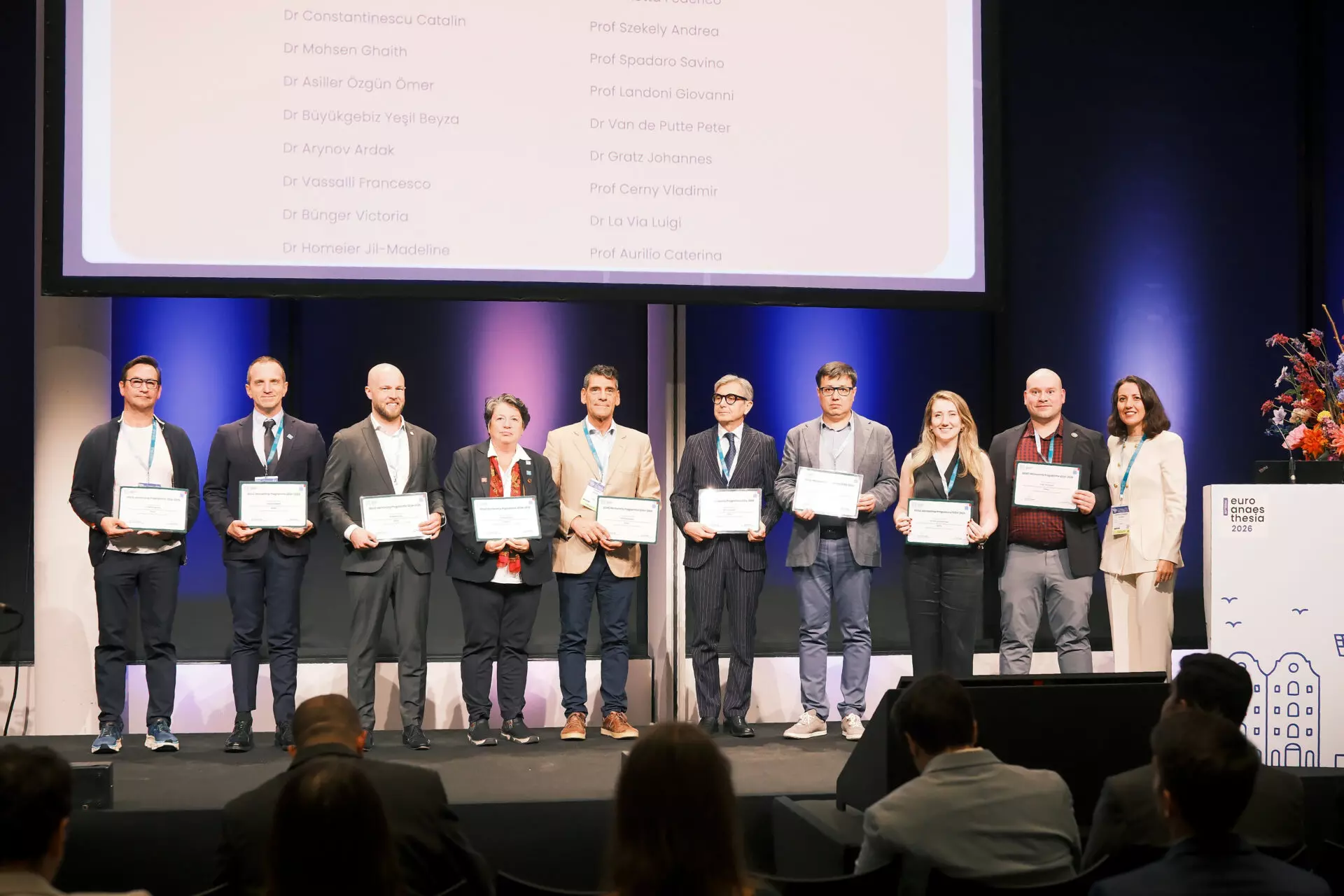
Together with my mentee, I managed to build a trusting relationship. We were able to meet in person a few times despite the distance, and I helped her scientifically with her master’s thesis. It was a very good experience that mostly met my expectations, and I would recommend it to my colleagues.
Mentor, ESAIC Mentorship Programme 2024–2026
Why the mentor joined the programme
ESAIC: What were your main expectations or objectives when you joined the programme?
Mentor: To use my comprehensive experience as a teacher, scientist and person responsible for residents to guide and help young, enthusiastic anaesthesiologists on their path towards the future.
What the ESAIC Mentorship Programme gave mentor and mentee
ESAIC: What was the most valuable aspect of your mentorship experience?
Mentor: To see how certain people thrive and move up in the professional world of anaesthesia, not only as a scientist or through an increase in professional contacts, but also in terms of self-assurance and presence. My mentee did an excellent job and took full advantage of the opportunities offered.
ESAIC: What skills, knowledge, confidence or opportunities did you gain through the programme?
Mentor: More respect for the different ways and cultures of becoming an anaesthesiologist, and interesting and hopefully lasting contacts with the new generation.
Challenges and communication
ESAIC: What were the main challenges you experienced during the programme?
Mentor: You cannot ‘feel’ the mentee in the way that, for example, you can sense what is going on with a certain mentee. Therefore, you miss things or underestimate certain things, or you simply do not know enough to intervene in the correct way. This was the problem with my first mentee ever: despite hard work and energy, the result was quite limited.
ESAIC: How did you and your mentorship partner address these challenges?
Mentor: I try to meet in person if possible, at a meeting, even if we have met online before. It is vital for me that I can use my radar to get a feel for a new mentee.
ESAIC: How would you describe the communication and collaboration within your mentorship pair?
Mentor: With my mentee, it went really well, and I think I managed to add some small steps on her ladder towards becoming a better anaesthesiologist.
Find out more about mentorship at the ESAIC
Find out how the Mentorship Programme works and how you can take part as a mentor or mentee. For the other side of the experience, [LINK: Mentee interview – add URL] read a mentee’s interview about the programme.
Experienced members can also find other ways to get involved through ESAIC leadership opportunities.